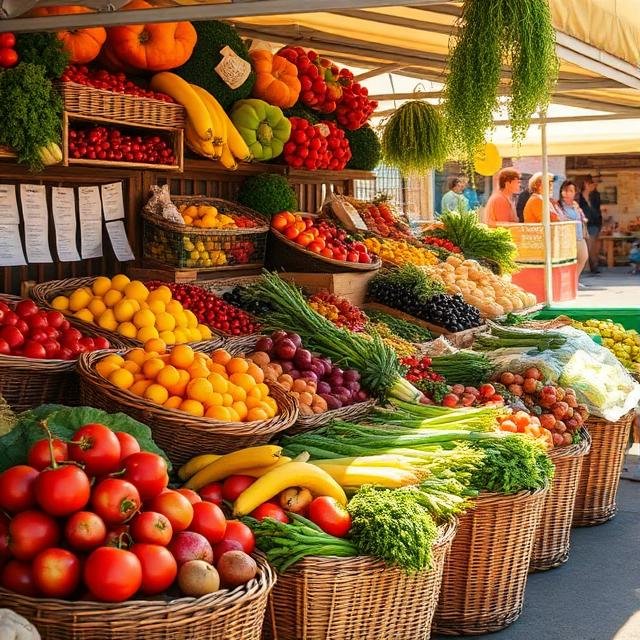
There's a reason a tomato in August tastes nothing like a tomato in January. Seasonal produce is picked at peak ripeness, travels shorter distances, and retains more nutrients. It also costs less, supports local farmers, and — perhaps most importantly — tastes dramatically better.
Spring is one of the most exciting seasons for fresh produce. After months of hearty winter root vegetables, the market suddenly bursts with tender greens, bright herbs, and crisp, snappy vegetables.
What's in Season Right Now
Asparagus, peas, radishes, artichokes, spring onions, arugula, spinach, strawberries, rhubarb, and fresh herbs like mint, dill, and chives. These ingredients are at their absolute peak from March through May.
Look for farmers' markets or CSA (Community Supported Agriculture) boxes in your area. The produce is often harvested that morning and tastes like a completely different food from what you'll find at the supermarket.
Building Meals Around What's Fresh
Instead of deciding what to cook and then buying ingredients, flip the script: go to the market, see what looks best, and build your meal around that. Gorgeous asparagus? Shave it raw into a salad with lemon and parmesan. Perfect peas? Toss them into a risotto or blend them into a vibrant green soup.
This approach feels more creative, reduces food waste (because you're buying what's abundant and affordable), and naturally introduces variety into your diet.
Simple Spring Meal Ideas
Shaved asparagus salad with lemon, olive oil, and pecorino. Pea and mint soup with a swirl of yogurt. Radish and herb butter on sourdough toast. Strawberry spinach salad with balsamic and goat cheese. Spring vegetable frittata with whatever greens you have on hand.
The theme? Keep it simple. Spring produce is so naturally flavorful that it needs very little intervention. A drizzle of good olive oil, a squeeze of citrus, and some flaky salt is often all you need.
The Environmental Angle
Eating seasonally isn't just good for your taste buds — it's good for the planet. Out-of-season produce is often flown in from other continents, generating massive carbon emissions. By choosing local, seasonal food, you're reducing your environmental footprint with zero effort.
It's one of those rare situations where the healthier choice, the tastier choice, the cheaper choice, and the more sustainable choice are all the same thing.