Spices are one of the easiest ways to transform simple ingredients into something memorable. A pinch here and a dash there can add warmth, brightness, depth, and even a little heat to the meals you already enjoy.
These five spices are kitchen workhorses — versatile enough for breakfast, lunch, dinner, and even drinks. Keep them within reach and experiment with small amounts until you find combinations you love.
1. Turmeric
Turmeric has a warm, earthy flavor and a brilliant golden color that makes any dish feel more inviting. It's a natural fit for curries, soups, rice dishes, and roasted vegetables.
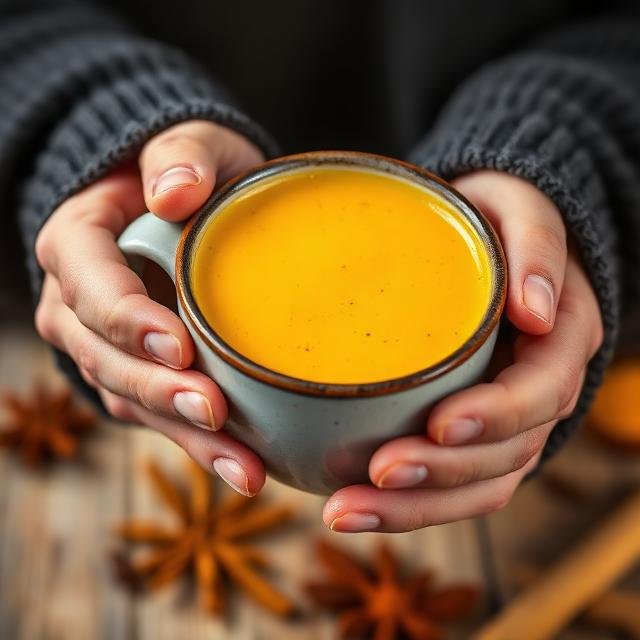
A little goes a long way. Try whisking it into scrambled eggs, blending it into a golden milk latte, or stirring it into cooked lentils. Pairing it with black pepper and a source of fat, like coconut milk or olive oil, helps the flavors meld beautifully.
2. Ginger
Ginger brings a fresh, zesty warmth that works in both sweet and savory recipes. Fresh ginger has a bright, peppery bite, while ground ginger is milder and slightly sweeter.
Grate fresh ginger into stir-fries, steep slices in hot water for tea, blend a knob into smoothies, or whisk it into salad dressings and marinades. It's especially good alongside garlic, soy sauce, and citrus.
3. Cinnamon
Cinnamon is one of the most comforting spices in the kitchen, with a sweet, woody aroma that works in everything from breakfast to dinner. Ceylon cinnamon tends to be milder and more delicate, while cassia cinnamon has a bolder, spicier kick.
Sprinkle it on oatmeal or yogurt, blend it into smoothies, stir it into coffee or hot cocoa, or add a pinch to chili and stews for subtle warmth. Baked apples and pears are classic partners.
4. Cayenne Pepper
Cayenne adds heat, color, and a touch of smokiness to dishes without overpowering them. Because it's strong, start with a small pinch and adjust to your taste.
Use it in soups, eggs, avocado toast, homemade sauces, or even a mug of hot chocolate for a surprising twist. It pairs especially well with garlic, cumin, lime, and dark chocolate.
5. Rosemary
Rosemary has a piney, aromatic flavor that instantly elevates roasted and grilled dishes. Fresh rosemary is more fragrant and tender, while dried rosemary is potent and holds up well in long-cooked dishes.
Toss fresh sprigs with roasted potatoes and root vegetables, add it to marinades for chicken or tofu, or mix it into homemade bread and focaccia. It also adds depth to soups, stews, and bean dishes.
How to Use Them Daily
The easiest way to cook with more spices is to add them to meals you already make. Sprinkle cinnamon into your morning oats, grate ginger into a lunchtime dressing, roast vegetables with turmeric and rosemary, or finish dinner with a pinch of cayenne.
Keep your spices in a cool, dark place and replace them every year or so for the best flavor. Once you start reaching for them regularly, you'll find yourself relying on them more than salt and pepper.